
The Nevada Gaming Control Board has spent much of 2026 in court trying to keep Kalshi off the state's gaming floors — filing complaints, winning restraining orders, and arguing before the Ninth Circuit that prediction market products must comply with state gaming law. That position hasn't changed. What's new is something Board Chair Mike Dreitzer said out loud last week at the Economic Club of Las Vegas: the Board is currently evaluating a prediction-style slot machine product, after seeing a five-reel spinning slot driven by prediction outcomes at ICE Barcelona earlier this year.
The Distinction Nevada Is Drawing
Dreitzer has previously warned that prediction market operators working outside state licensing frameworks could eventually create gaming-floor-like products with no state oversight at all. His stated concern isn't prediction mechanics themselves, but the precedent of letting a gaming-adjacent product category operate without the consumer protections and accountability Nevada's framework requires. A licensed prediction-style slot — tested through Nevada's lab, regulated by the Gaming Board, operated by a licensed gaming property, and available only to patrons physically on a regulated floor — is, in his telling, a fundamentally different product from a CFTC-registered exchange offering sports event contracts to anyone with a smartphone, in all 50 states.
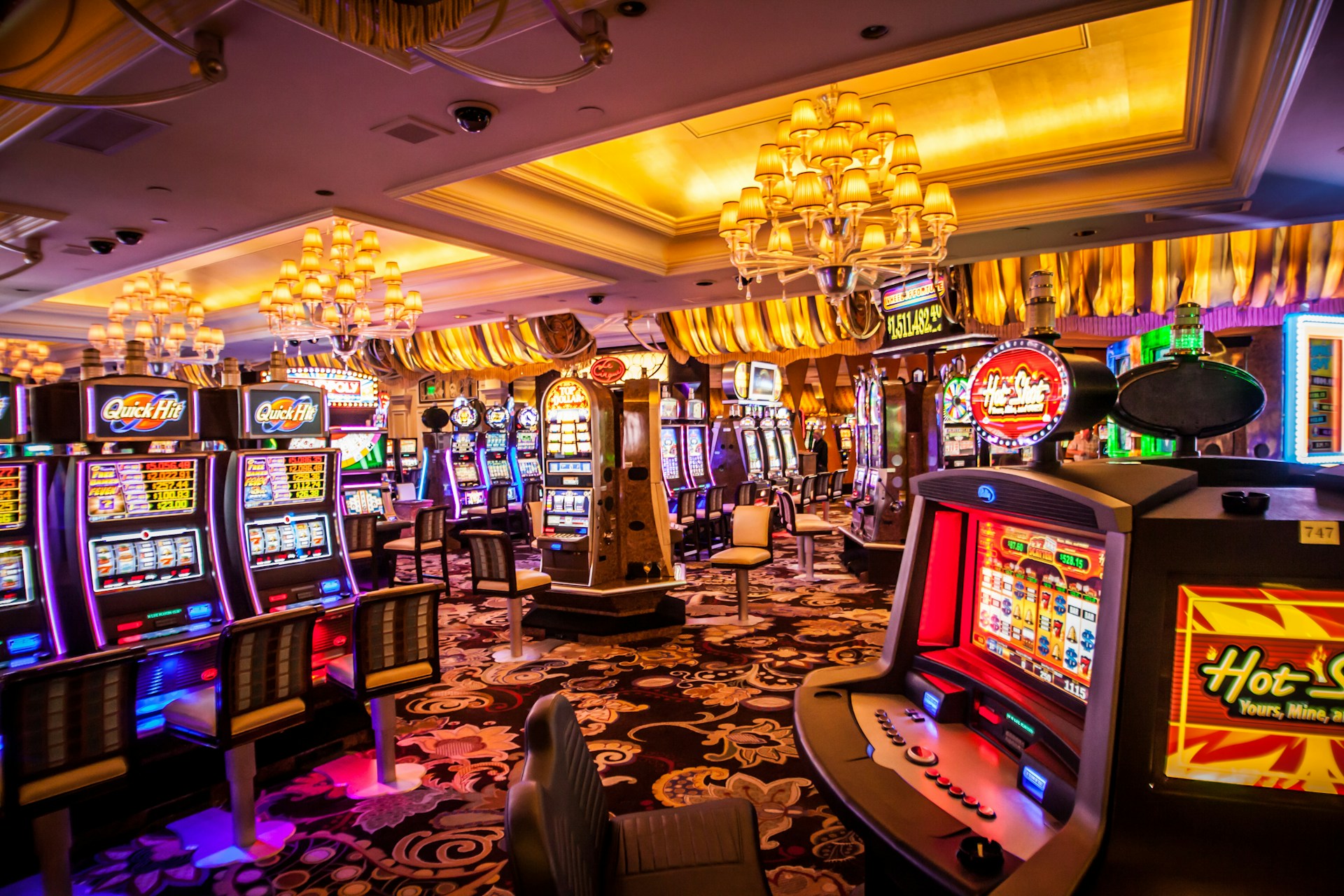
The product Dreitzer described at ICE Barcelona isn't a prediction market in any legal sense — it involves no event contracts and no CFTC jurisdiction. It's a slot machine whose reel outcomes are determined by real-world event data instead of a random number generator, wrapped in the familiar visual language of a slot game.
Why Nevada Is Moving Now
The urgency isn't abstract. Las Vegas visitor numbers have been down, and competition from regional gaming markets has intensified. Products like DK Replay, Hard Rock's motorsports offering, and the broader prediction market boom have all demonstrated real consumer appetite for prediction-driven mechanics. If that appetite exists regardless of what Nevada does, the state has a clear interest in letting its own licensed operators serve it rather than ceding the category entirely. The Board has also brought in new test-lab leadership and introduced updated regulations, with Dreitzer describing some of the prior 30-year-old rules as outdated and, in some cases, requiring information the Board no longer used.
The Optics Are Hard to Ignore
Even accepting Dreitzer's regulatory distinction at face value, Nevada's two positions sit uneasily together. In court, the state argues that prediction-style products belong under state gaming law. At an industry conference, its top regulator says those same mechanics are worth bringing onto Nevada's own regulated floors. A litigant telling the Ninth Circuit that prediction-style products belong under state gaming oversight, while simultaneously moving to approve those same mechanics under that very oversight, is arguably making a stronger case for its own legal position than it intends to — even if the underlying products end up looking quite different in practice.
Safe & Responsible Gaming
We promote responsible gaming and encourage players to set limits. Online gambling should always be a form of entertainment, not a way to make money. If you ever feel the need for support, seek help from professional organizations.