
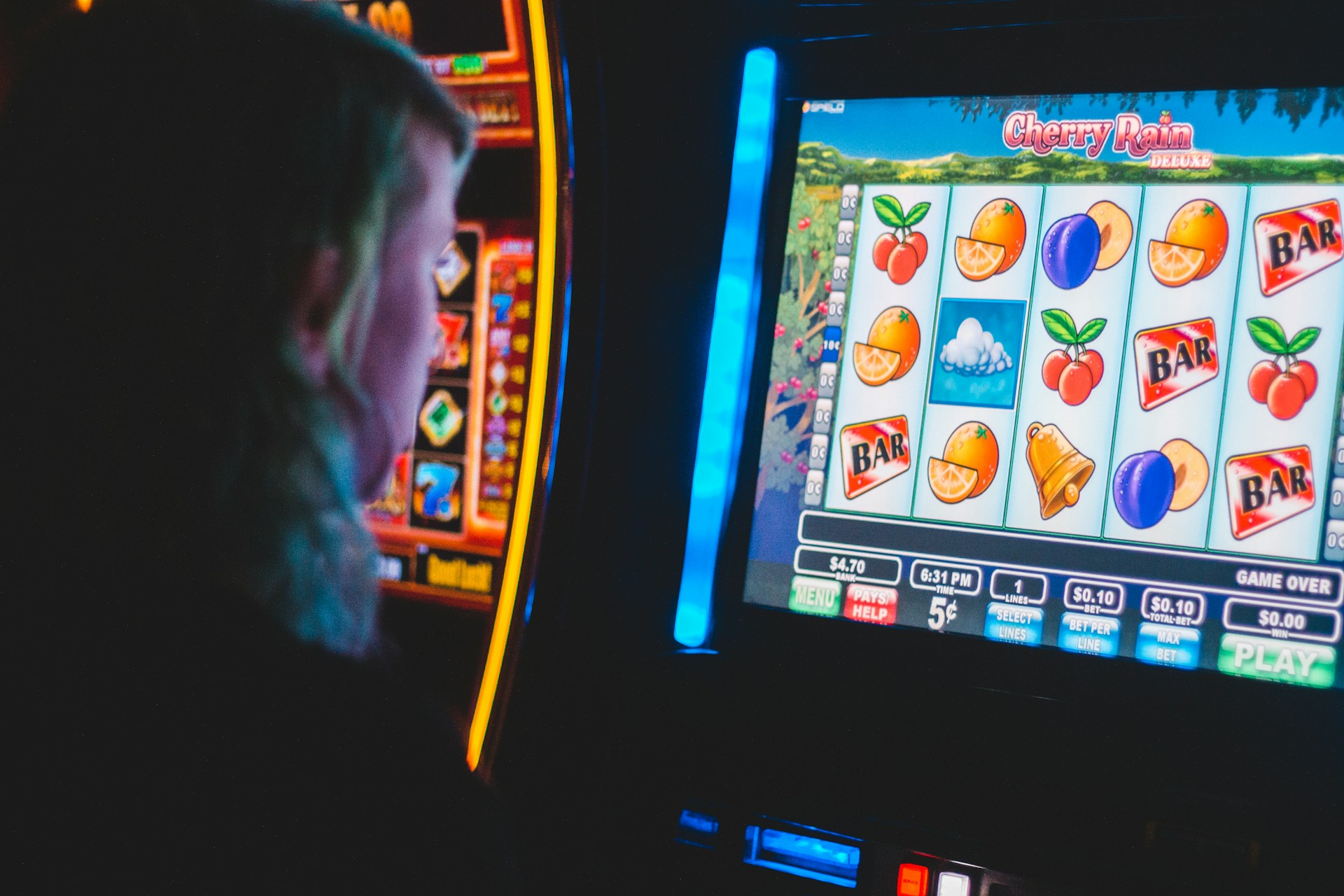
A research report from Las Vegas analytics firm OPTX is drawing attention for what it claims to have uncovered: roughly $17 million in slot winnings tied to "advantage players," gamblers who wait for specific machines to reach a mathematically favorable state before playing. Those same players had collected about $5 million in comps and free play along the way. One flagged player logged $6 million in slot handle across more than 300 visits and walked away with a $2.4 million profit.
The industry's framing is that AI has finally exposed a hidden exploitation problem, giving operators the tools to deny comps, exclude marketing, or ban these players outright. There's another way to read the same data.
What Slot Advantage Play Actually Involves
OPTX's research centers on "true-persistence" or accumulation games — slot machines where some element of the next bonus or jackpot is tied to a visible meter that builds over time, such as a must-hit-by progressive or a symbol collection mechanic. The math is published on the paytable for anyone to read. When the meter climbs high enough, the expected return on the next spin can rise above 100%, meaning a player who sits down at that moment is, on average, taking money from the house rather than the reverse.
There's no device, no collusion, and no tampering involved. The player is simply reading a number the casino chose to display and acting on what the math says.
The Card Counting Parallel
The closest historical comparison is blackjack card counting — legal everywhere in the U.S., publicly documented, and reliant purely on skillful execution of public information. Because casinos are private property, suspected counters can still be backed off or barred in most states, with New Jersey as the notable exception, where courts require casinos to change the game (deeper shoes, earlier shuffles) rather than ban the player outright.
Slot advantage play sits in roughly the same space. The player isn't cheating; they're using publicly available information to identify moments when the casino's own math favors them. The industry's current response, per the OPTX research, is to identify these players with AI and quietly remove them from comp and marketing programs.
The Underlying Asymmetry
Casino marketing has long sold slots as a fair, no-skill entertainment product priced by a long-run house edge. True-persistence games complicate that framing by design — they create windows where the math genuinely favors the player, and casinos deploy them anyway because the volume from recreational players who don't track meters more than makes up for it. The advantage player is, in effect, the only customer who fully understands the product the casino built.
What the Technology Is Really Solving
OPTX's system can rate players from "true advantage player" to merely "showing advantage-like behavior," leaving the response up to the operator. What the technology is actually doing is letting casinos identify the small fraction of carded customers who are net winners and manage them as a category problem, since slot loyalty economics depend on most players losing over time. A more honest framing of this research isn't that casinos caught a group of cheaters — it's that casinos built marketing programs designed around losing players, and a small group of winning players figured out how to participate anyway. Whether that's fair to the players being flagged is a question the industry has so far declined to ask out loud.
Get Our Posts, Straight to Your Inbox
One email a week. No spam, no "hot tips" — just clear-headed analysis on games, odds, and responsible play.
Related Posts
Read the latest related posts from the casino and online gaming industry.

Nevada Wants to Ban Prediction Markets. It's Also Evaluating Prediction-Style Slot Machines.

Illinois Casino Revenue Climbs to $181 Million in April, But New Supply Is Doing the Heavy Lifting
Casinos Are Using AI to Catch Slot Advantage Players. Is That Fair?

Louis Vuitton Sues Live! Casino Over Knockoff Loyalty Program Handbags

Could Prediction Markets Start Buying the Casino Companies They're Disrupting?

Illinois Lawmakers Block Pritzker's Plan to Merge Gaming and Racing Regulators
New York's Gambling Ad Bill Redefines Gambling to Include Loot Boxes and Prediction Markets

Rhode Island Senate Vote Could End the State's Sports Betting Monopoly
Polymarket's VPN Crackdown Echoes a Familiar Online Poker Playbook